Barefoot shoes for beginners: how to switch without regretting it
Your feet have been unemployed for years
Think about what a cushioned, stiff shoe does: it bends for you, absorbs for you, and holds your foot in one shape all day. Comfortable? Sure, the way a couch is comfortable. Your foot's own equipment (26 bones, 33 joints, and the muscles that run them) gets to sit the day out.
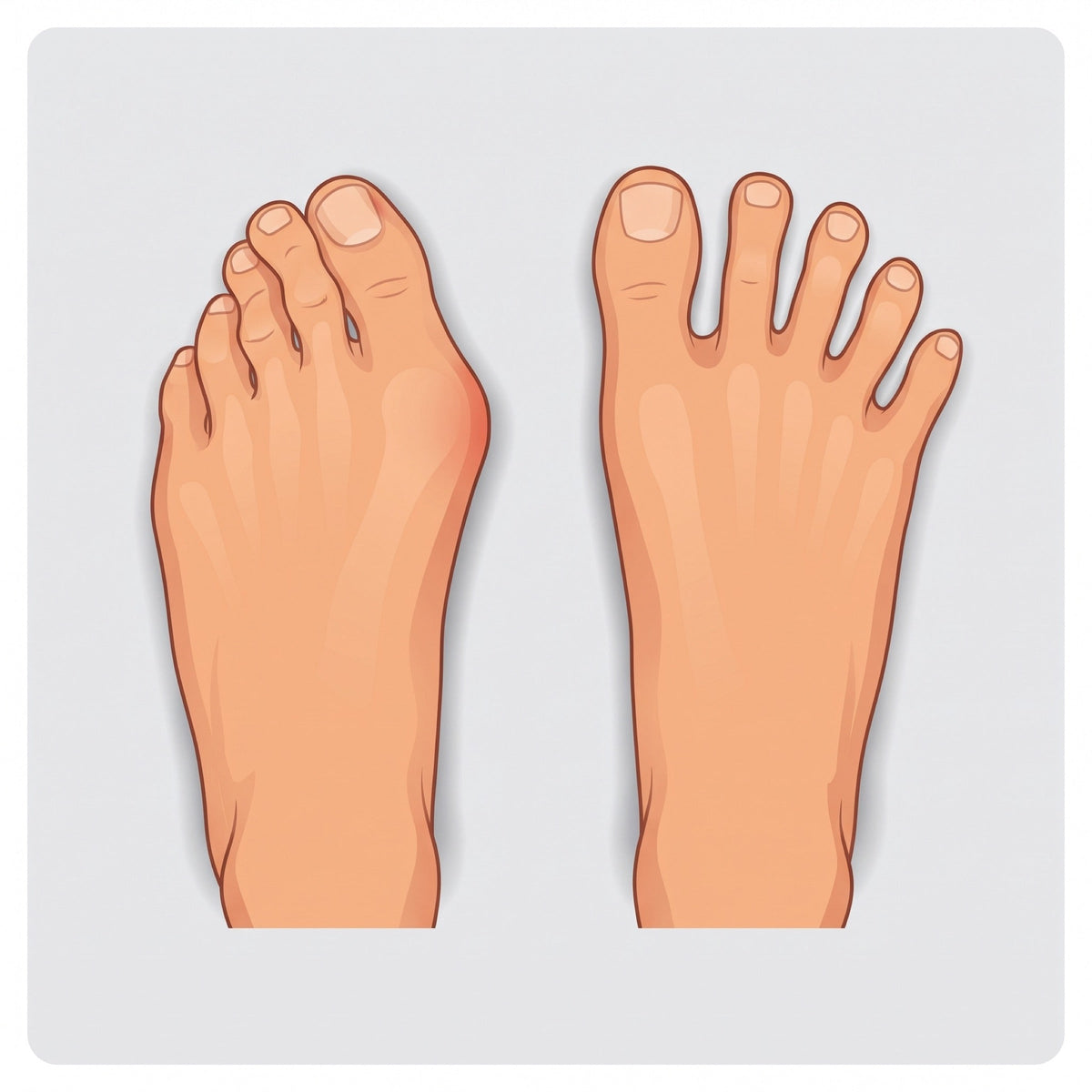
A barefoot shoe fires that equipment again. The thin sole makes your foot do the bending, the zero drop lets your stride land flat and roll through, and the wide toe box gives your toes room to spread and grip. That's the appeal, and it's also exactly why you can't switch overnight. You're handing work back to muscles that haven't done it in a while.
The one-line version: barefoot shoes aren't harder to walk in, they're just honest about who's doing the walking.
The two mistakes that make people quit
Mistake one: too much, too soon. The shoes feel so light that the first walk turns into a long one. Ten miles on day one is a lot of new work for feet and calves that have spent years in cushioned shoes. Keep the first walks short even if you feel fine at the time, because the tiredness tends to show up the next morning.
Mistake two: keeping the old size. Barefoot shoes fit differently. Order your usual size and the wide toe box can feel sloppy, so people size down, and then their toes hit the front on descents. Measure your foot in centimeters first. Our size guide takes two minutes and saves a return.
The build-up that works
Weeks 1 and 2: short and flat. Wear them at home and on 20 to 30 minute walks on easy ground. Your feet will feel used at the end of the day. That is new work. If anything feels sharp rather than tired, stop and give it a rest day.
Weeks 3 and 4: your normal loop. Take them on the walks you already do. Alternate with your old shoes if your calves complain on back-to-back days. Most people notice their stride getting quieter around here: less heel thump, more roll.
Week 5 and beyond: full days. Day hikes, travel, the beach. This is the point where most switchers stop thinking about their shoes and start noticing everyone else's. There is no prize for getting here faster, and rushing is the only way to lose.


When to leave them at home
We sell these shoes and we will still say it plainly: a heavy pack on rough terrain, deep winter cold, or a work site with falling objects all call for a boot with support and insulation. A thin sole tells you everything about the ground. Some days you do not want the full report.
Start here
Pick one pair, measure your foot, and give it five weeks of ordinary walks. That is the whole method. The Norvaflex Barefoot Wide Toe range starts at $49.95, ships tracked in 7 to 9 days, and exchanges free within 30 days if the size is off.